
Lower owner-paid costs across your affordable housing portfolio
Improve operating performance across owner-paid expenses and building systems. AssetMax helps housing owners evaluate opportunities around property budgets, resident needs and the approvals relevant to each project.
Start with your property details. Robert will help you evaluate the scope and next step. Prefer to talk? Book with Robert.
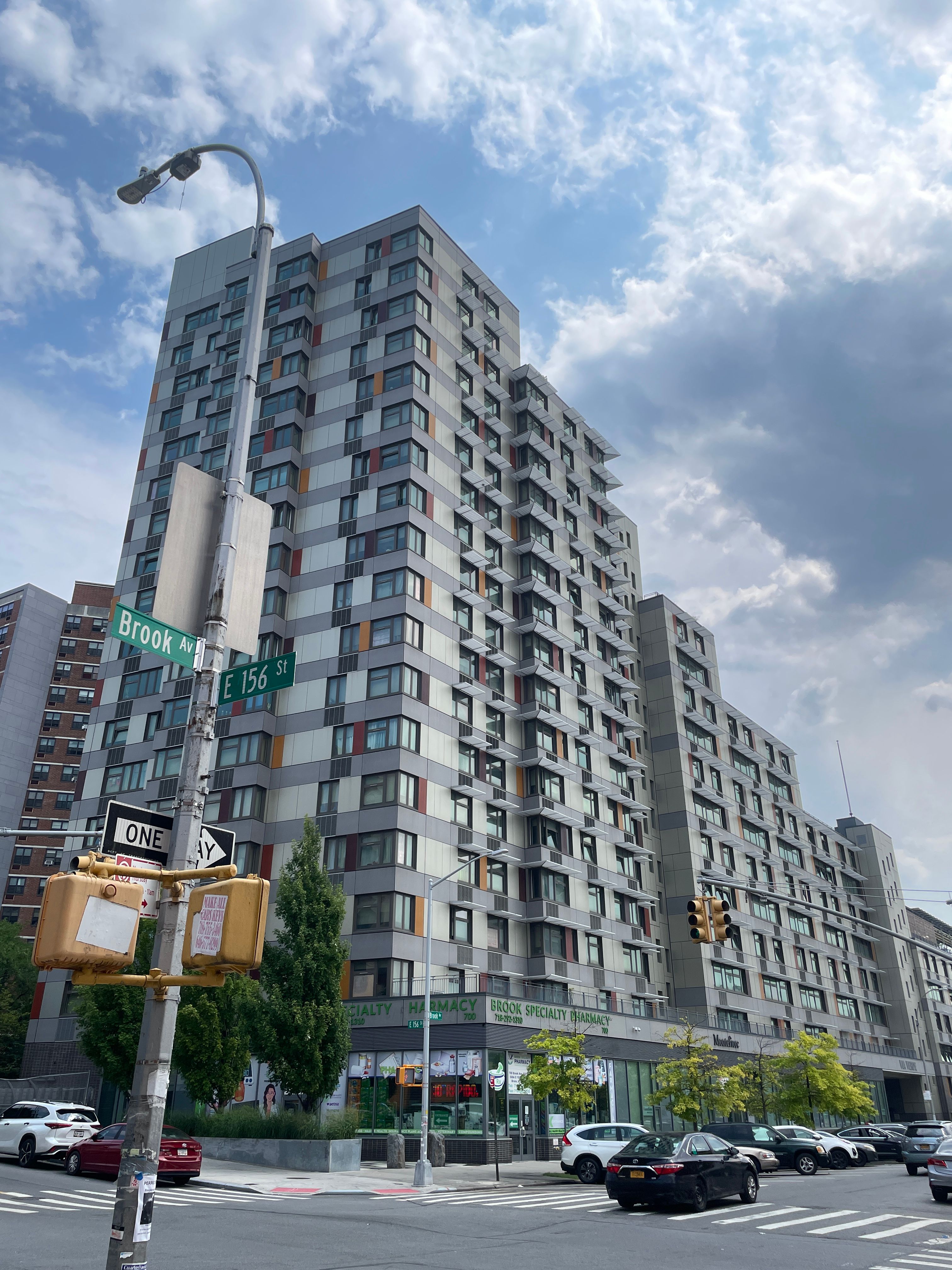
Start with your operating priorities
Affordable housing owners balance recurring expenses, maintenance and capital priorities with resident needs. Establish which utility accounts, common areas and supplier contracts the owner pays. Resident-paid bills require a different discussion; the review should follow the actual financial responsibilities.
Review the costs and systems together
The AssetMax approach connects the operating-expense record with the later utility, building-systems and insurance review. The scope is agreed for your properties rather than assumed from a sector label.
Owner-paid operating expenses
Review recurring supplier invoices, service agreements and utilities paid by the owner. Map costs to each property and legal entity.
Shared building systems
Assess water, hot water, HVAC, lighting and controls against the buildings, equipment and operating requirements.
Investment and approvals
Evaluate recommendations against budgets, financing conditions and any applicable housing-program or lender approvals. Identify who benefits from each proposed saving.
Explore water efficiency across multiple properties
This economy apartment hotel portfolio used a repeatable toilet-valve measure across 26 properties.
average water-use reduction across 26 properties
Explore the resultReceive findings for the next decision
The consolidated report should identify the records reviewed, the opportunities, material assumptions and recommended next steps. Financial evaluation distinguishes projected improvements from verified outcomes. Where more investigation is needed, that should be clear before a supplier change, project or funding arrangement is approved.
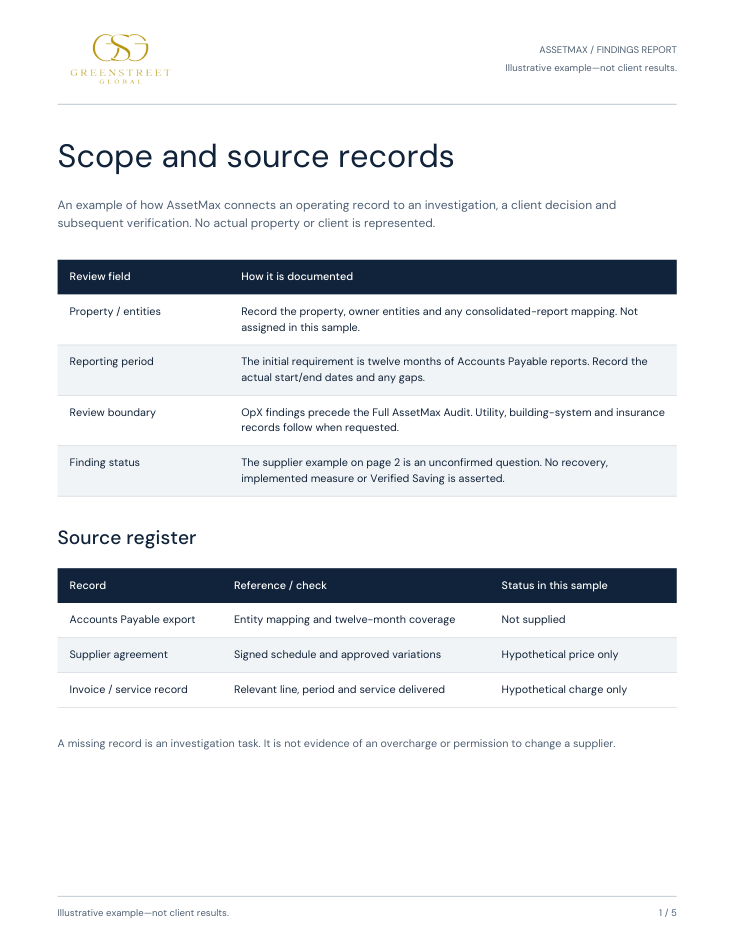 Illustrative example—not client results.Explore the five-page report ↗
Plan around the property
Coordinate assessment and proposed work with property management. Plan access to occupied homes, resident communications, essential services and maintenance responsibilities before implementation. Confirm any program-specific requirements with the owner and its advisers; an audit does not authorize rent changes or resident charges.
A practical first step
Start the free SpendVue assessment with the signed assessment Engagement Letter and twelve months of Accounts Payable reports. Utility, insurance and building documents are requested for the full AssetMax audit after the findings meeting, Master Services Agreement and $5,000 advance. You can make an inquiry without financial attachments; Robert will discuss the appropriate scope, responsibilities and next step.
Before you decide
Does the owner need to pay every utility bill?
No. Start by identifying the expenses the owner pays and controls. Some properties have resident-paid utilities or shared responsibilities. Separate those accounts, common-area costs and any allocation arrangements so findings and proposed benefits relate to the right party.
Can occupied properties be reviewed?
The initial SpendVue assessment uses Accounts Payable records. Later building assessments and proposed work need access and sequencing agreed with the property team. Resident comfort, essential services and communications should inform the plan before any improvement is approved.
What information is needed to begin?
The free SpendVue assessment begins after the assessment letter is signed and twelve months of Accounts Payable reports are received by email. You do not need to gather utility bills or arrange a site visit to make an inquiry. After the SpendVue findings meeting, signed Master Services Agreement and $5,000 advance, the team requests the utility, insurance and building information needed for the next stage.
Does requesting an audit commit us to an engagement?
No. An inquiry starts a conversation about your properties and priorities. It does not accept the engagement letter or client terms, authorize work or start an audit. Scope, responsibilities and commercial obligations are agreed separately before the audit begins.
Request a free savings assessment
Tell Robert where costs are putting pressure on your properties. Start a focused conversation about the savings and improvements worth investigating.
- Discuss your priorities and the right review scope
- Understand the findings, responsibilities and fees
- Agree the next step for your property or portfolio
Your property details are enough to start. Audit documents follow through the agreed private process.
Book with Robert